Featured Projects
Ancestral Food Systems & Community Resilience
How have communities ensured their safety and security for millennia?
Through the deep, time-tested wisdom of ancestral food systems. While conventional models often fail during modern climate crises, we believe the keys to food security are hidden in our past. SAGE bridges ancient stewardship and contemporary science to build a resilient future.
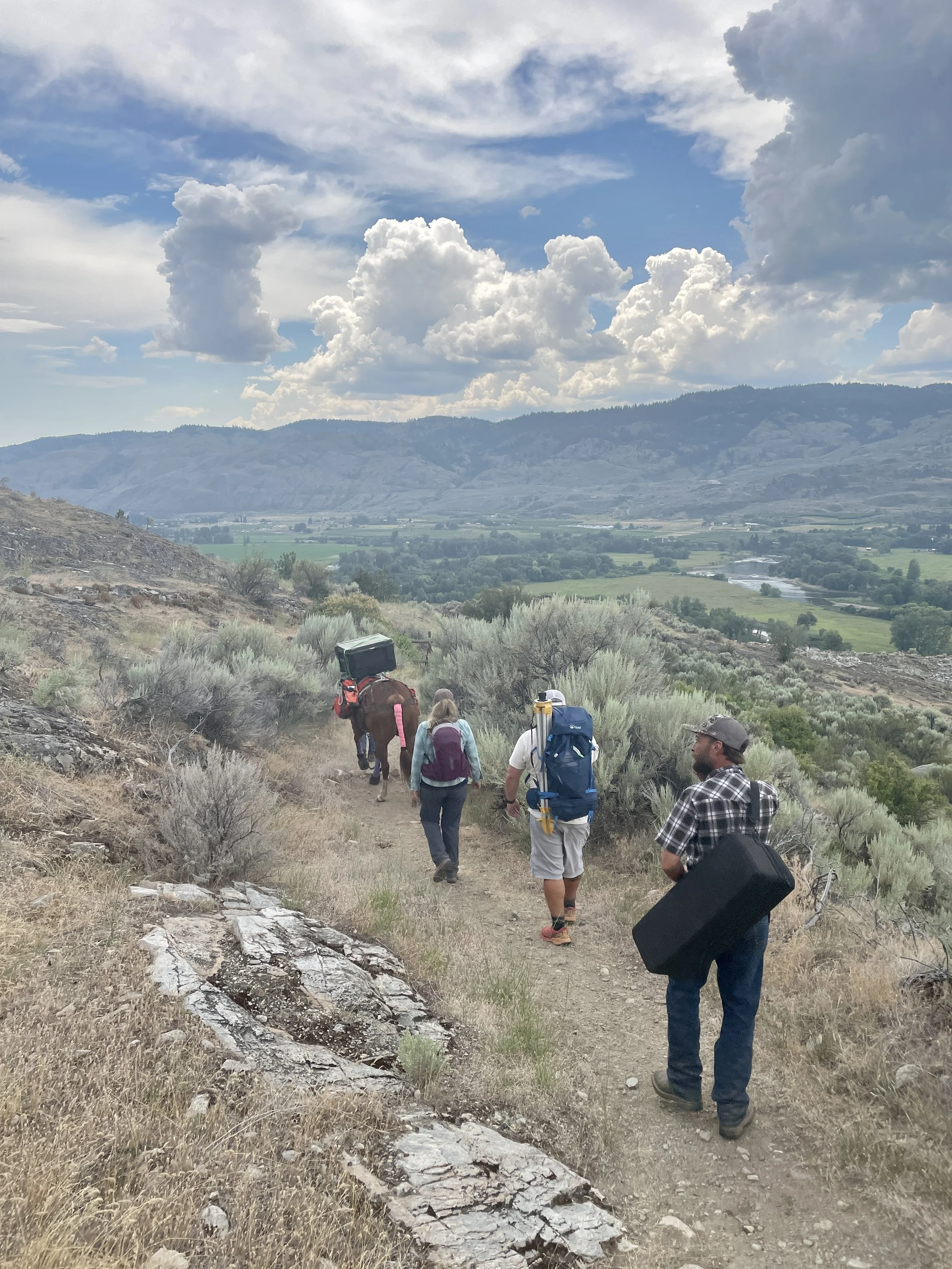
This initiative documents and restores traditional First Foods systems with partnering Tribal communities, from California, the Pacific Northwest and Columbia River Basin. Weaving archaeological data, tribal oral histories, modeling, and specialized analyses (e.g., archaeobotany, zooarchaeology, residue analysis, aDNA), SAGE researchers investigate storage and culinary traditions, historical plant processing, game management, and landscape-level fire stewardship. Research outcomes directly support tribal food sovereignty, landscape management strategies, and youth educational curricula.
Braided Science of People-Plant Relationships
Why are the records of our natural world often separated from the history of human culture?
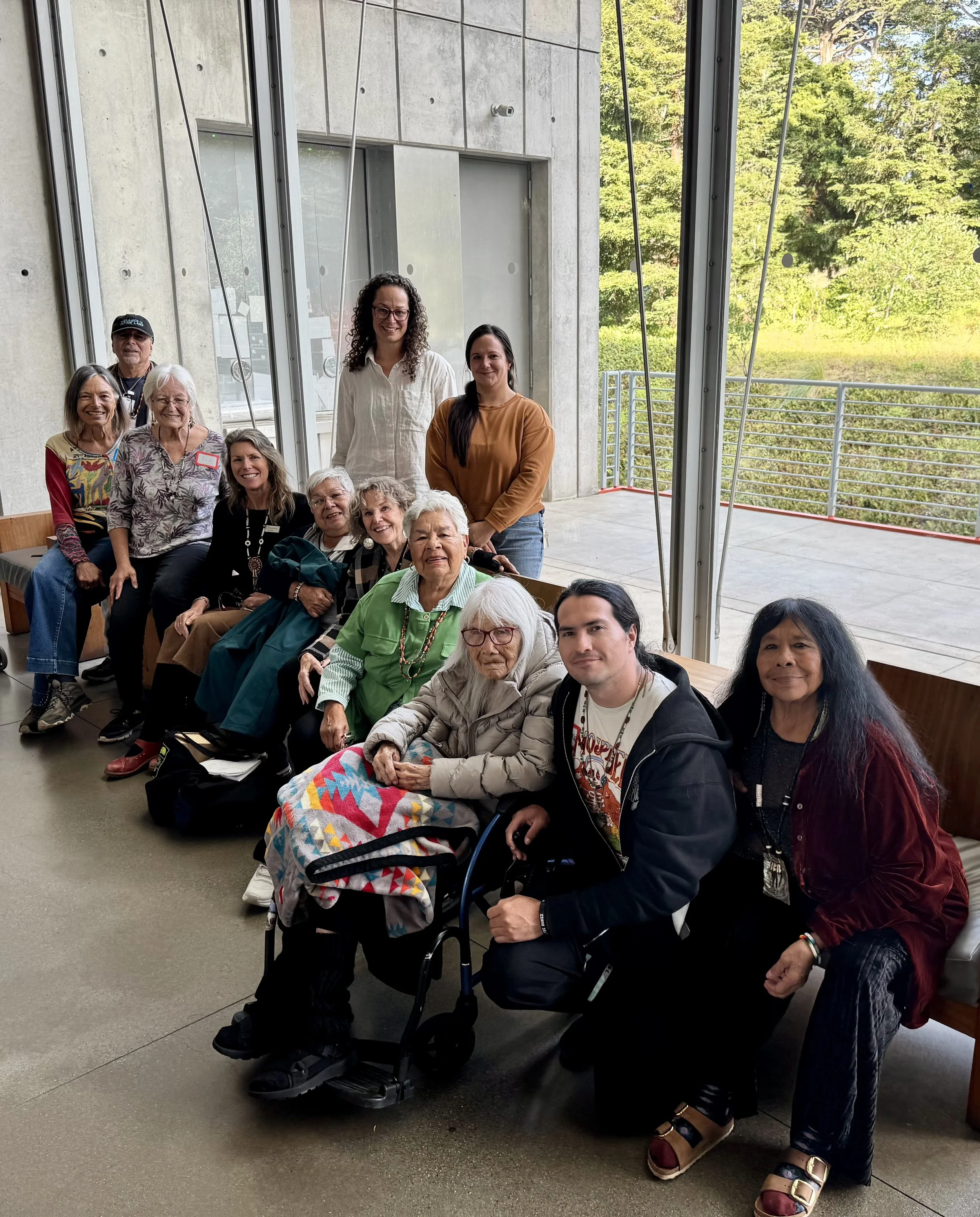
Historically, Institutional Science has siloed botanical data from anthropological archives and Indigenous Knowledge, fragmenting our understanding of ecosystems. The Anthropology-Botany Collaborative breaks down this artificial divide. By integrating databases and working directly with descendant communities and cultural practitioners, we reconnect food webs and data: herbarium specimens with cultural artifacts, ethnobotanical knowledge, and Indigenous names. Partnering with the Association for Ramaytush Ohlone, the North Fork Mono Tribe, and the Native California Research Institute, we are advancing a braided science framework to reunite human culture and ecological stewardship. Key efforts include the Native Gatherers & Climate Change project, the Healthy Waterways Project, Tule Boat research, and braided phenological science.
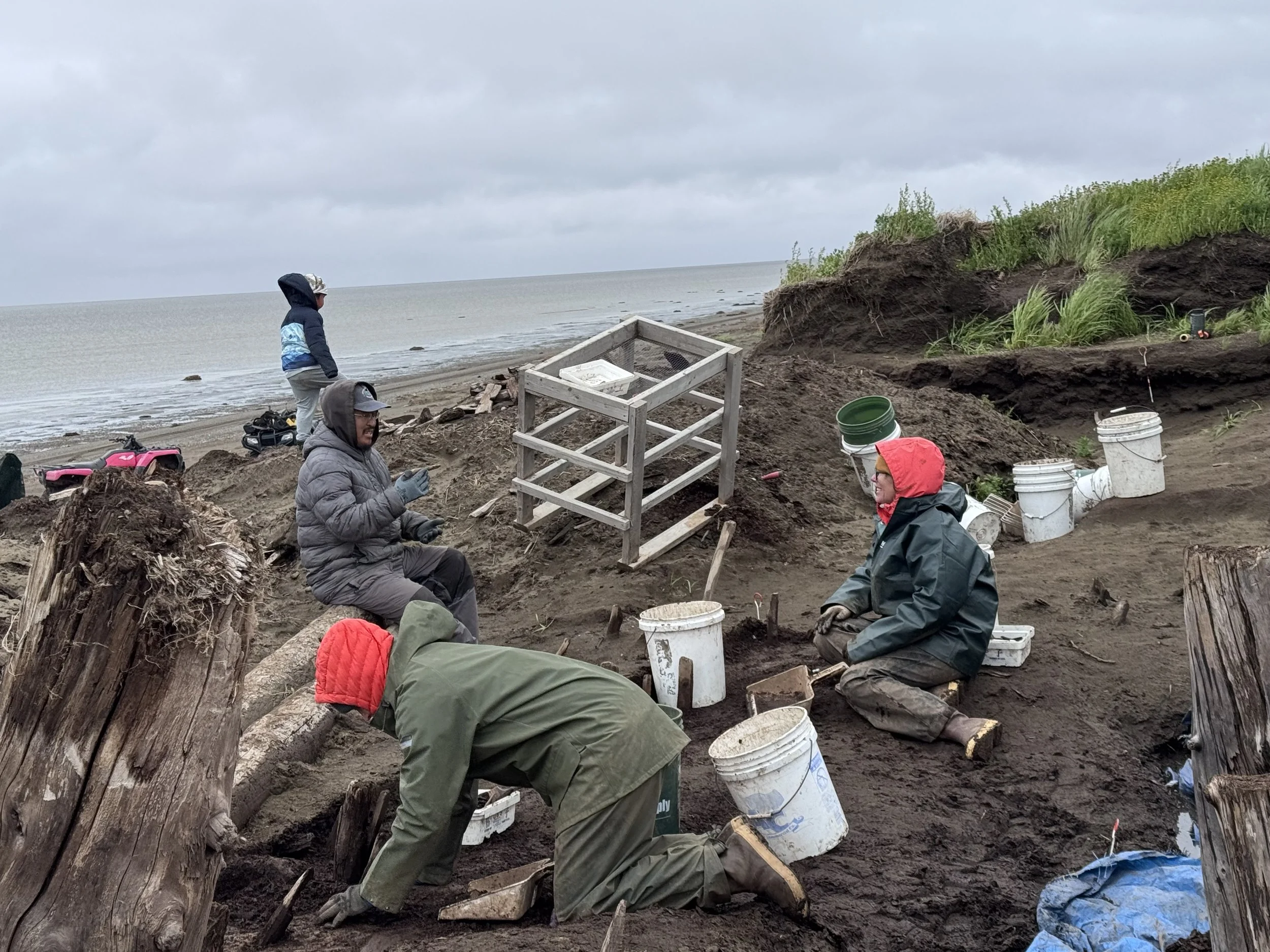
Ancestral Resilience & The Race to Save Nunalleq: Biocultural Heritage in a Changing Arctic
How do we preserve a culture’s past when the ground beneath it is disappearing?
Accelerating permafrost thaw and coastal erosion near Quinhagak, Alaska, threaten ancient Yup'ik sites and centuries of ancestral heritage. This work provides insight into human resilience in one of the harshest environments on Earth across historical climatic anomalies, spanning the Little Ice Age to the modern climate crisis. Joining the project in 2026, SAGE researchers collaborate with the Native Village of Quinhagak, Qanirtuuq, Inc., and long-standing partner Dr. Rick Knecht (University of Aberdeen) on a community-led rescue archaeology initiative where the village retains full decision-making authority over excavation, handling, and curation.
In 2027, excavation will begin on a threatened, large semi-subterranean structure hypothesized to be a Qasgi (Men's House)—a central hub for traditional social life, ritual, and knowledge transmission. Well-preserved organic artifacts recovered from the site are permanently housed at the Nunalleq Culture and Archaeology Center in Quinhagak, serving as a vital resource for Yup'ik language preservation and intergenerational learning. By braiding anthropological archaeology with Yup'ik traditional knowledge, SAGE safeguards a globally significant record of human adaptation and community resilience.