
Why Sage?
Ecocultural resilience lies at the heart of thriving ecosystems and healthy communities. Historically, institutional research and conservation frameworks have disconnected human society from the natural environment, treating cultural heritage and ecological science as separate domains. This persistent separation has created fragmented databases, siloed academic departments, and severe blind spots in addressing contemporary environmental crises.
Standard, siloed scientific approaches often fail to address the scale of modern environmental crises and their connection to social issues, historically excluding Indigenous peoples, local ancestral knowledge, and diverse ways of knowing. SAGE bridges these knowledge systems, combining deep ancestral insights with contemporary science to deliver a more holistic understanding of ecosystems and human stewardship.
Inspired by global Indigenous scholarship and decolonial movements, SAGE redefines the role of 21st-century research institutions. By integrating biological and cultural collections with active community-led research, we co-create actionable solutions that support local communities, preserve cultural heritage, and transform standard conservation practices.
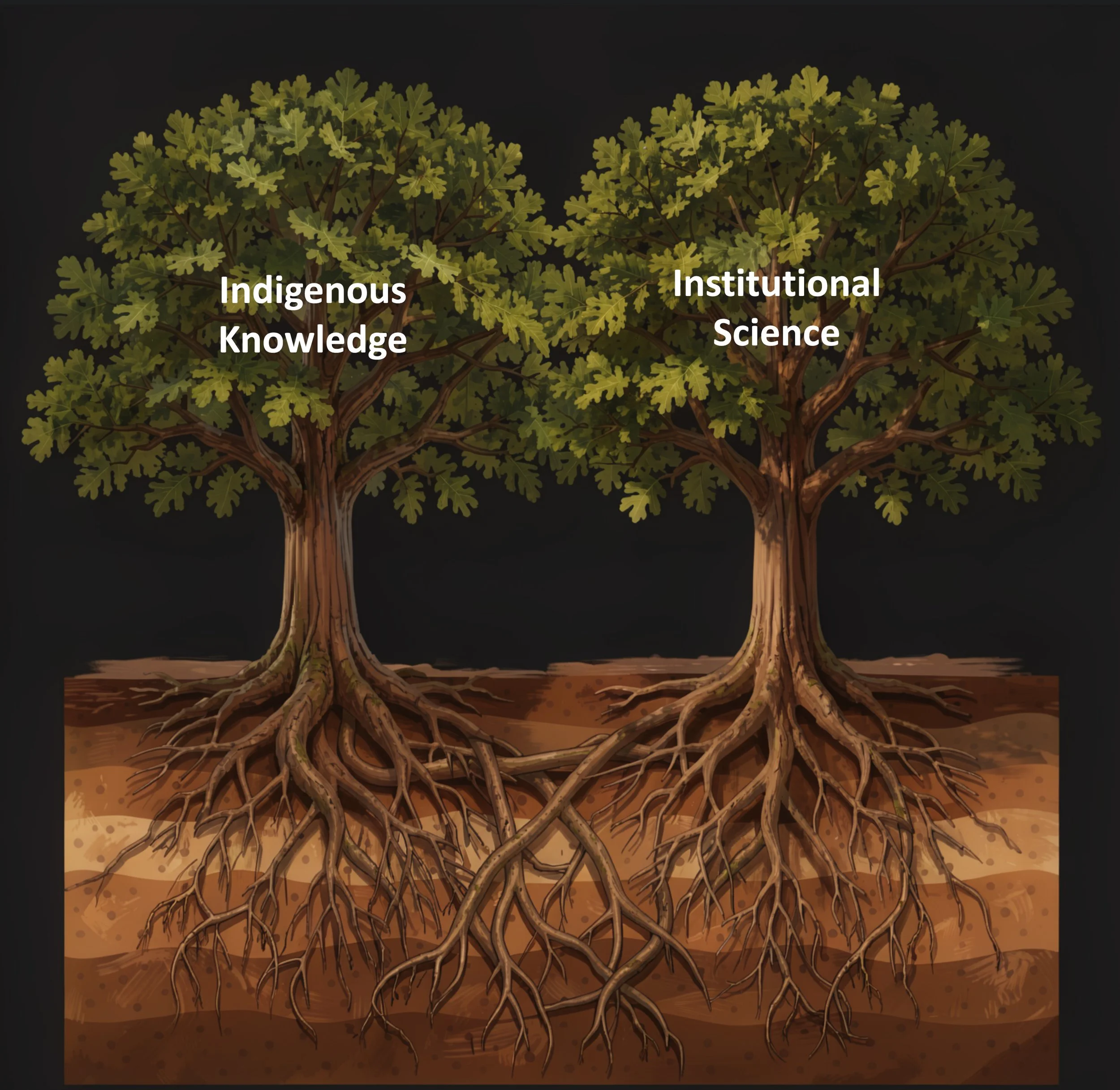
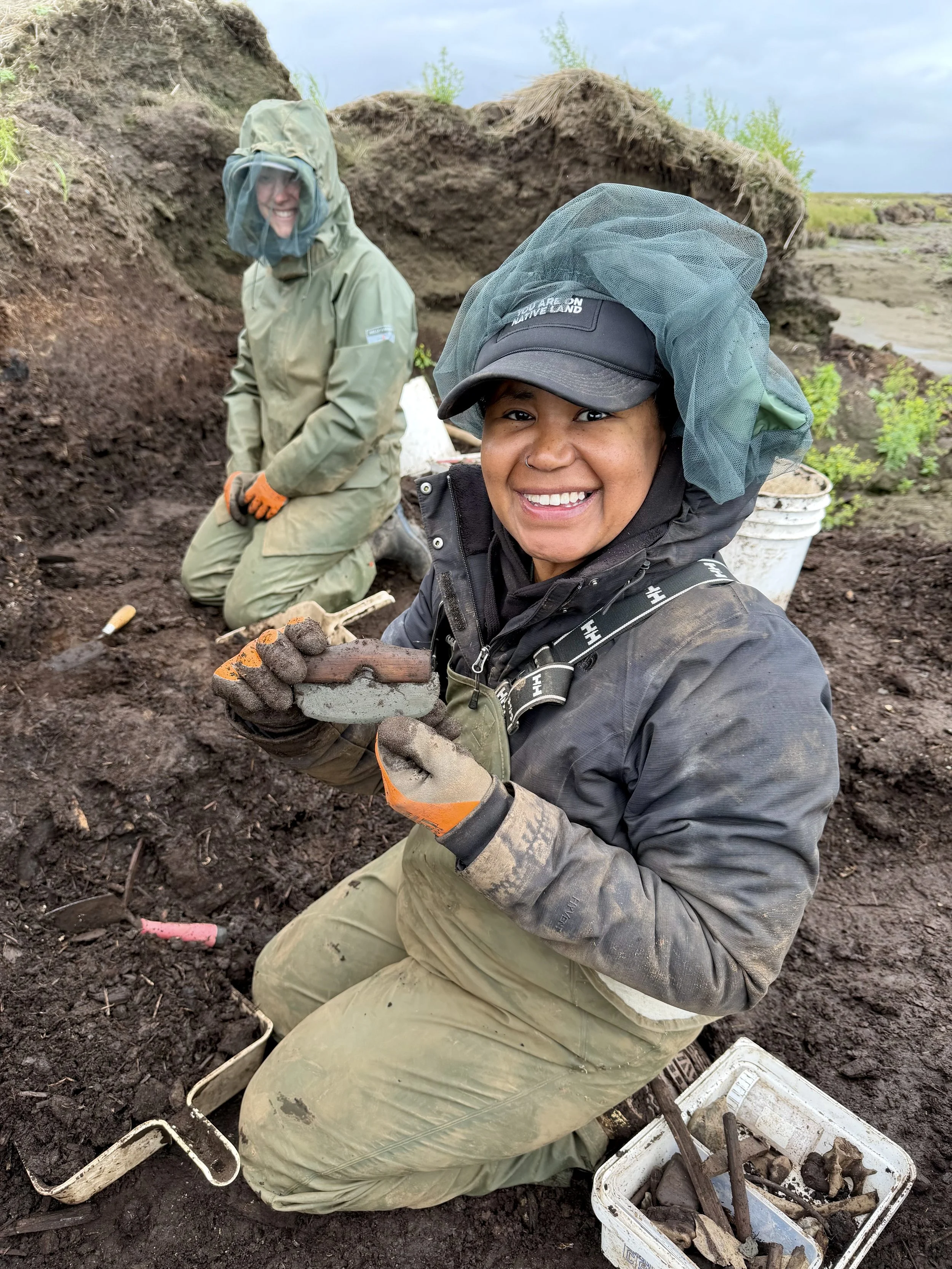
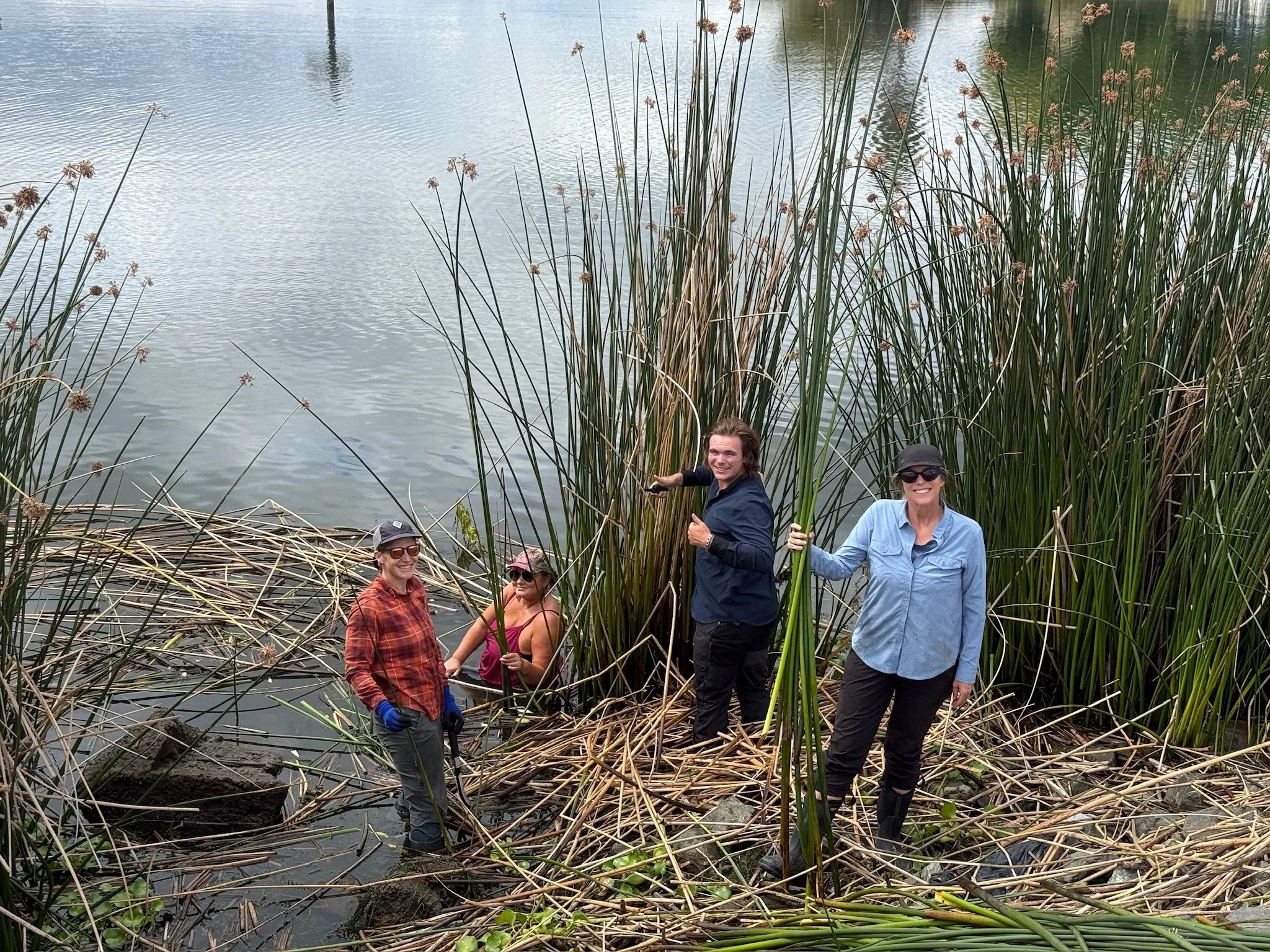
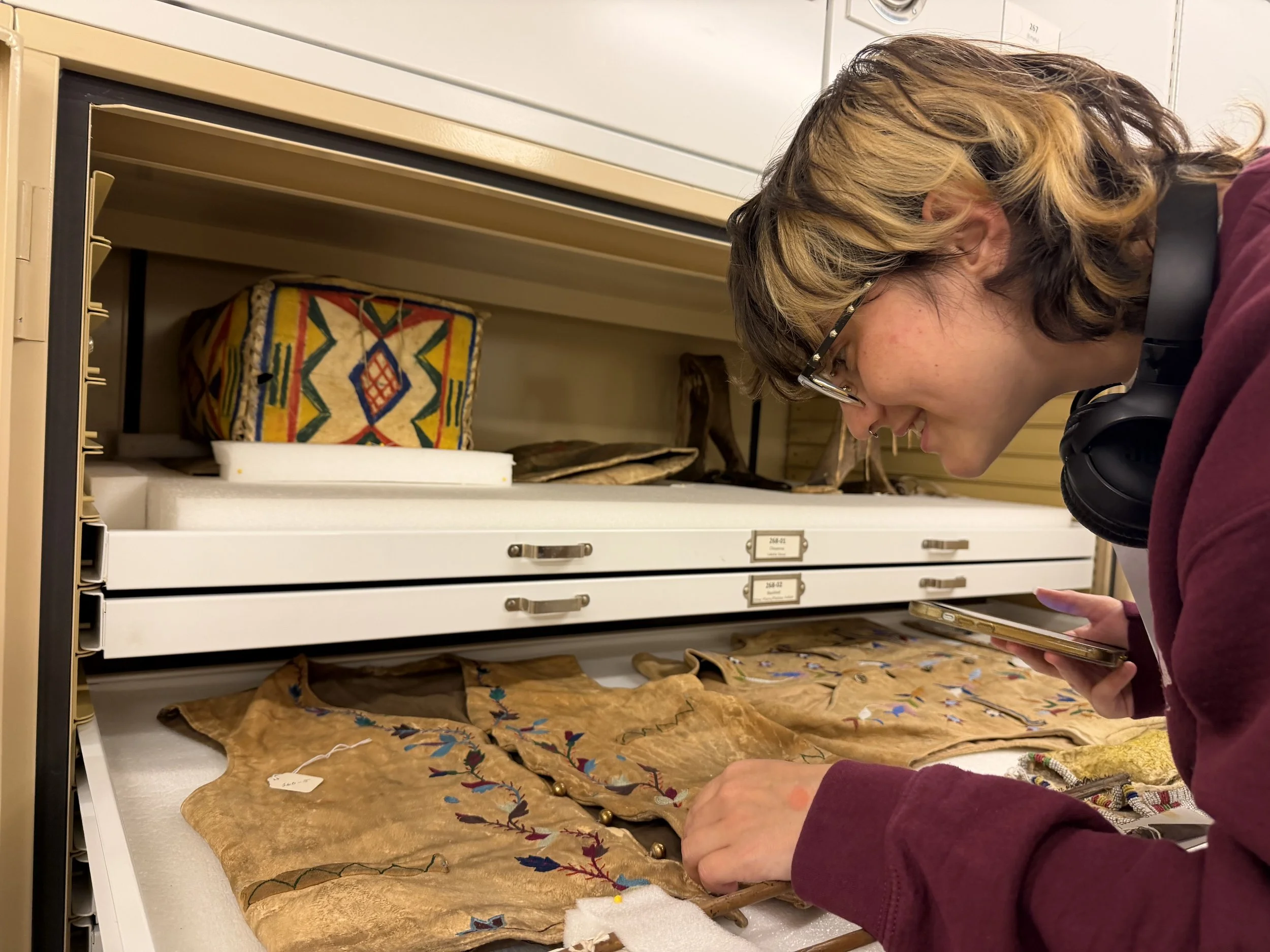
Anchored within the scientific ecosystem of the California Academy of Sciences (CAS), the Department of Anthropology, and the Institute for Biodiversity Science and Sustainability (IBSS), the SAGE Center serves as a vital hub for interdisciplinary research, collections integration, and public engagement. In alignment with the Academy’s overarching mission to regenerate the natural world through science, learning, and collaboration, SAGE bridges diverse knowledge systems—combining deep local ancestral insights with contemporary ecological science to restore healthy ecosystems, strengthen community resilience, and advance regenerative conservation solutions.